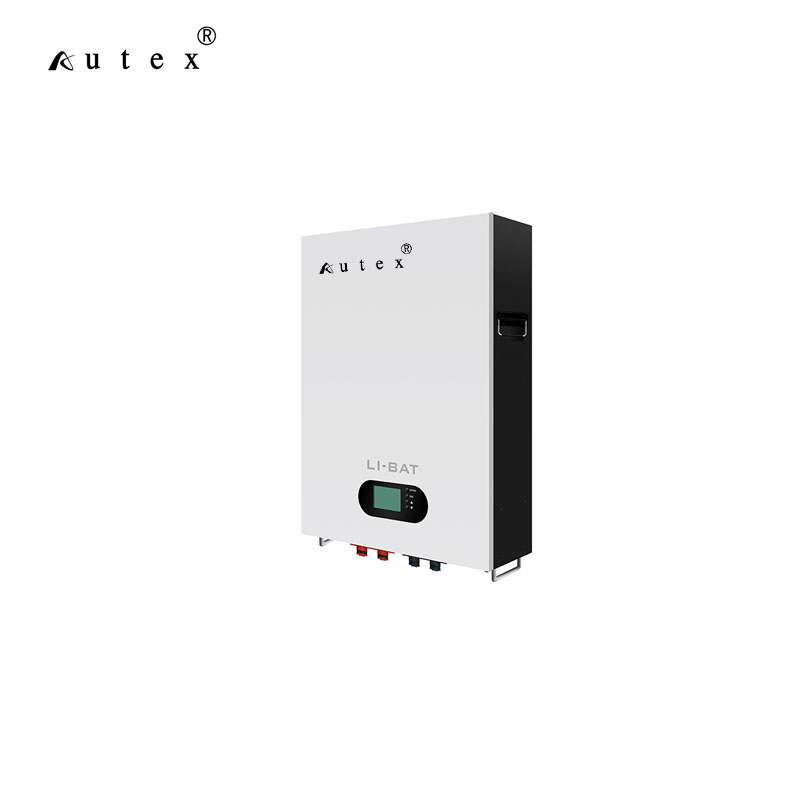
Certainly! To draft a comprehensive 800-word news article about the Wind Solar Hybrid Inverter, I will integrate the key information about the product (with brand names removed as requested) along with a generic company introduction placeholder `{}` which you can later replace with the actual company details. Here is the news article:---**Innovative Wind Solar Hybrid Inverter Revolutionizes Renewable Energy Solutions**As the demand for sustainable energy solutions continues to surge globally, a breakthrough in hybrid power technology is reshaping the landscape of renewable energy systems. The newly launched Wind Solar Hybrid Inverter is setting a benchmark by seamlessly integrating wind and solar energy sources, enabling enhanced efficiency and reliability for residential, commercial, and industrial applications.The hybrid inverter represents a significant advancement in renewable energy technology, combining the harnessing of solar photovoltaic (PV) panels with wind turbines to offer a versatile and robust power generation system. This integration addresses one of the critical challenges faced by standalone renewable systems: intermittency. Solar power generation fluctuates with weather and daylight, while wind energy can vary unpredictably. By merging both sources through the hybrid inverter, the system ensures a more consistent and stable power output throughout the day and night, optimizing energy use and storage.### Key Features and AdvantagesThe Wind Solar Hybrid Inverter is engineered to manage inputs from multiple renewable sources simultaneously. Equipped with advanced Maximum Power Point Tracking (MPPT) technology, it continuously optimizes the energy harvest from both solar arrays and wind turbines, maximizing efficiency. Additionally, the inverter supports scalable battery storage integration, allowing users to store excess energy generated during peak conditions for use during low production periods or outages.Another vital feature is the inverter’s intelligent energy management system that dynamically adjusts power distribution depending on demand and generation capacity. This reduces reliance on grid electricity, cuts down energy costs, and lowers carbon footprints. The device also boasts remote monitoring capabilities via a dedicated app or web portal, giving users real-time insights into system performance and alerts for maintenance needs.### Market SignificanceGiven the increasing urgency to accelerate the transition towards clean energy sources and mitigate climate change, the Wind Solar Hybrid Inverter arrives at an opportune moment. Renewable energy adoption is gaining momentum worldwide, supported by government incentives, falling equipment costs, and growing consumer awareness. Hybrid systems, in particular, are becoming popular where grid stability is a concern or where complete energy independence is desired, such as rural or off-grid areas.“With hybrid technology, customers get the best of both worlds,” said an industry expert. “They can exploit solar energy during sunny conditions and rely on wind power during nights or cloudy days. This not only enhances energy security but also reduces the total cost of ownership by optimizing the efficiency of renewable assets.”### Company Introduction{} is a pioneering company dedicated to advancing renewable energy technologies and solutions. With years of experience in research and development, the company strives to deliver innovative, reliable, and sustainable products that empower customers to achieve energy independence while contributing to environmental preservation. Their comprehensive portfolio includes cutting-edge solar panels, wind turbines, energy storage systems, and now the latest hybrid inverter technology designed to meet the evolving needs of today’s energy market.Committed to quality and customer satisfaction, {} ensures that each product undergoes rigorous testing and adheres to international standards. Their dedicated support and service teams work closely with clients to design customized solutions tailored to specific energy demands and geographic conditions.### Application ScenariosThe versatility of the Wind Solar Hybrid Inverter makes it suitable for diverse applications. In residential settings, homeowners can significantly reduce electricity bills and enhance reliability, especially in areas prone to power outages. For agricultural operations, the system supports energy-intensive activities and allows farmers to operate equipment sustainably without relying heavily on diesel generators.Commercial and industrial sectors benefit from the hybrid inverter’s capability to stabilize power supply, thus avoiding downtime and increasing operational efficiency. Remote telecommunication sites, emergency facilities, and military bases also leverage hybrid systems to ensure uninterrupted power critical for their functions.### Future ProspectsLooking forward, the integration of hybrid inverters with smart grid technologies and IoT devices is expected to drive further innovation. This will enable better load forecasting, demand response, and greater participation of distributed energy resources in grid management. Furthermore, advances in energy storage solutions such as high-capacity batteries and hydrogen storage could complement hybrid inverters, fostering a more resilient and decarbonized energy infrastructure.With global commitments to net-zero emissions by mid-century, the importance of hybrid systems is set to grow. Companies like {} are positioned at the forefront of this transition, delivering products that not only tackle current energy challenges but also pave the way for a cleaner, more sustainable future.---**About {}** {} is a leading provider of renewable energy solutions focused on innovation and sustainability. The company’s expertise spans solar, wind, and hybrid technologies designed to meet diverse client needs worldwide. With a commitment to excellence and environmental stewardship, {} continues to drive the adoption of green energy through innovative products, customized solutions, and dedicated customer service.---If you provide the actual company introduction, I can further customize the placeholders for you. Let me know if you want the article to take a specific tone or include additional details.
Read More